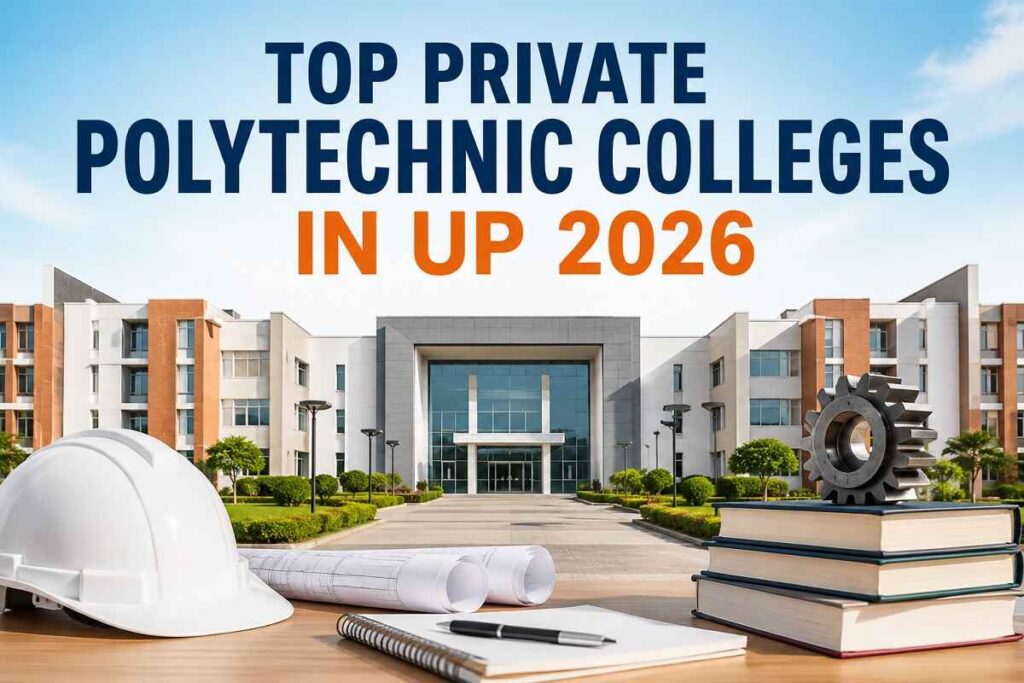
Uttar Pradesh is one of India’s largest education hubs, offering hundreds of diploma and polytechnic institutes for students seeking technical education after Class 10 or Class 12. Every year, thousands of students choose private polytechnic colleges in UP because of their affordable fees, industry-oriented curriculum, practical training, and strong placement support.
A diploma in engineering can be an excellent alternative to traditional degree programs, especially for students who want to enter the workforce early or pursue lateral entry into B.Tech programs later.
This comprehensive guide explores the best private polytechnic colleges in Uttar Pradesh, their courses, admission process, fees, placements, and career prospects.
Why Choose a Private Polytechnic College in UP?
Private polytechnic institutions in Uttar Pradesh have significantly improved their infrastructure, faculty quality, laboratories, and industry partnerships over the past decade.
Students choose these colleges because they offer:
- Industry-focused diploma programs
- Modern laboratories and workshops
- Affordable tuition fees
- Better student-teacher interaction
- Campus placement opportunities
- Lateral entry options into engineering degrees
- Practical skill development
The growing demand for skilled technicians across manufacturing, construction, IT, automobile, and electrical sectors has further increased the popularity of diploma education.
Key Benefits of Polytechnic Education
Diploma programs provide practical and technical knowledge that helps students become job-ready quickly. Unlike many traditional programs, polytechnic courses emphasize hands-on learning and real-world applications.
Career-Oriented Learning Environment
Most private polytechnic colleges collaborate with industries to provide internships, industrial visits, workshops, and skill development programs that enhance employability.
Top Private Polytechnic Colleges in UP 2026
Several private institutions have established strong reputations for academic excellence, placements, and infrastructure.
Best Private Polytechnic Colleges in Uttar Pradesh
College Name |
Location |
Popular Diploma Courses |
Approx. Annual Fees |
|---|---|---|---|
IIMT Polytechnic |
Greater Noida |
Mechanical, Civil, Electrical |
₹45,000–₹70,000 |
Raj Kumar Goel Institute of Technology Polytechnic |
Ghaziabad |
Computer Science, Mechanical |
₹50,000–₹75,000 |
Accurate Institute of Polytechnic |
Greater Noida |
Civil, Electrical, CS |
₹55,000–₹80,000 |
United Institute of Technology Polytechnic |
Prayagraj |
Mechanical, Civil, Electronics |
₹45,000–₹75,000 |
Babu Banarasi Das Polytechnic |
Lucknow |
Electrical, Mechanical, CS |
₹50,000–₹85,000 |
Hi-Tech Polytechnic College |
Ghaziabad |
Civil, Electrical, Automobile |
₹40,000–₹70,000 |
Shri Ram Murti Smarak Polytechnic |
Bareilly |
Mechanical, Civil, Electronics |
₹45,000–₹80,000 |
Krishna Polytechnic College |
Bijnor |
Engineering Diploma Programs |
₹35,000–₹65,000 |
Fees may vary depending on specialization and admission year.
Popular Diploma Courses Offered
Private polytechnic colleges in UP offer a wide variety of diploma programs designed to meet current industry requirements.
1. Diploma in Mechanical Engineering
Mechanical engineering remains one of the most sought-after diploma branches due to opportunities in manufacturing, production, and automotive industries.
2. Diploma in Civil Engineering
Students interested in construction, infrastructure development, and project management often choose civil engineering.
3. Diploma in Computer Science Engineering
The rapid growth of technology sectors has made computer science one of the highest-demand diploma courses.
4. Diploma in Electrical Engineering
Electrical diploma holders find opportunities in power generation, distribution, renewable energy, and industrial automation sectors.
5. Diploma in Electronics Engineering
This branch focuses on electronic devices, communication systems, embedded technology, and automation.
Admission Process for Polytechnic Colleges in UP
Admission to most private polytechnic colleges is relatively straightforward.
Students can secure admission through:
- JEECUP (Joint Entrance Examination Council, Uttar Pradesh)
- Direct admission under management quota
- Merit-based admission in select institutions
Eligibility Criteria
For most diploma engineering programs:
- Pass in Class 10 from a recognized board
- Minimum qualifying marks as prescribed by the institute
- Some colleges may accept Class 12 students directly
Documents Required
Applicants typically need:
- Class 10 mark sheet
- Transfer certificate
- Passport-size photographs
- Aadhaar card
- Category certificate (if applicable)
Placement Opportunities After Polytechnic
One of the biggest advantages of diploma education is early career entry.
Many private polytechnic colleges maintain placement cells that connect students with recruiters from various industries.
Major Recruiting Sectors
Diploma holders are recruited by:
- Manufacturing companies
- Automobile industries
- Construction firms
- Electrical utilities
- IT support organizations
- Telecom companies
Average Salary Package
Fresh diploma graduates generally receive salaries ranging from ₹2.5 LPA to ₹5 LPA depending on skills, specialization, and employer.
Experienced diploma professionals can earn significantly higher salaries after gaining industry experience.
Higher Education Options After Diploma
Many students use diploma education as a stepping stone toward advanced qualifications.
Lateral Entry into B.Tech
Diploma holders can directly enter the second year of B.Tech through lateral entry admissions.
This pathway helps students save one academic year while earning a full engineering degree.
Professional Certification Programs
Students can also pursue certifications in:
- AutoCAD
- CNC Programming
- Data Analytics
- Embedded Systems
- Industrial Automation
- Cloud Computing
These certifications enhance employability and salary potential.
Factors to Consider Before Choosing a Polytechnic College
Selecting the right institution is crucial for academic and career success.
Students should evaluate colleges based on:
- AICTE approval
- Infrastructure quality
- Faculty expertise
- Placement records
- Industry partnerships
- Laboratory facilities
- Hostel availability
- Location and accessibility
Importance of Placement Support
A strong placement cell can significantly improve career opportunities after graduation.
Campus Infrastructure Matters
Modern workshops, laboratories, libraries, and digital learning facilities enhance technical education quality.
Future Scope of Polytechnic Education in India
India’s manufacturing growth, infrastructure projects, smart city initiatives, renewable energy expansion, and digital transformation are creating substantial demand for technically skilled professionals.
Graduates of the polytechnics are expected to remain highly employable across sectors including:
- Electric Vehicles (EV)
- Artificial Intelligence Support Systems
- Robotics Maintenance
- Renewable Energy
- Industrial Automation
- Smart Manufacturing
This makes diploma education a practical and future-ready career pathway.
Conclusion
Private polytechnic colleges in Uttar Pradesh provide excellent opportunities for students seeking affordable and industry-focused technical education. Institutions in Greater Noida, Ghaziabad, Lucknow, Prayagraj, and Bareilly offer quality diploma programs across multiple engineering disciplines.
Before finalizing admission, students should compare colleges based on accreditation, faculty, infrastructure, placements, and career support services. With the right college and specialization, a diploma can open doors to rewarding careers as well as higher education opportunities.
Frequently Asked Questions (FAQs)
Q1. Which is the best private polytechnic college in UP?
Several institutions including IIMT Polytechnic, Raj Kumar Goel Institute of Technology Polytechnic, Accurate Institute of Polytechnic, and Babu Banarasi Das Polytechnic are among the leading private polytechnic colleges in Uttar Pradesh.
Q2. What is the average fee for private polytechnic colleges in UP?
Annual fees generally range between ₹35,000 and ₹85,000 depending on the college and specialization.
Q3. Can I get admission without JEECUP?
Yes, many private colleges offer direct admission under management quota or institute-level seats.
Q4. Is a diploma better than B.Tech?
Both have different advantages. A diploma allows early job entry and later B.Tech lateral entry, while B.Tech provides broader academic exposure.
Q5. Can diploma students get government jobs?
Yes. Diploma holders are eligible for various technical positions in government departments, PSUs, railways, and public sector organizations.

He is an experienced content writer with 10+ years of expertise in education, careers, admissions, and government-related content. He specializes in creating accurate, SEO-friendly, and reader-focused articles based on official and reliable sources.